Welcome to the official website of Nesfo Valve Manufacturing (Quanzhou) Co!










Welcome to the official website of Nesfo Valve Manufacturing (Quanzhou) Co!
Addressing common technical and operational questions regarding valve selection, installation, and maintenance
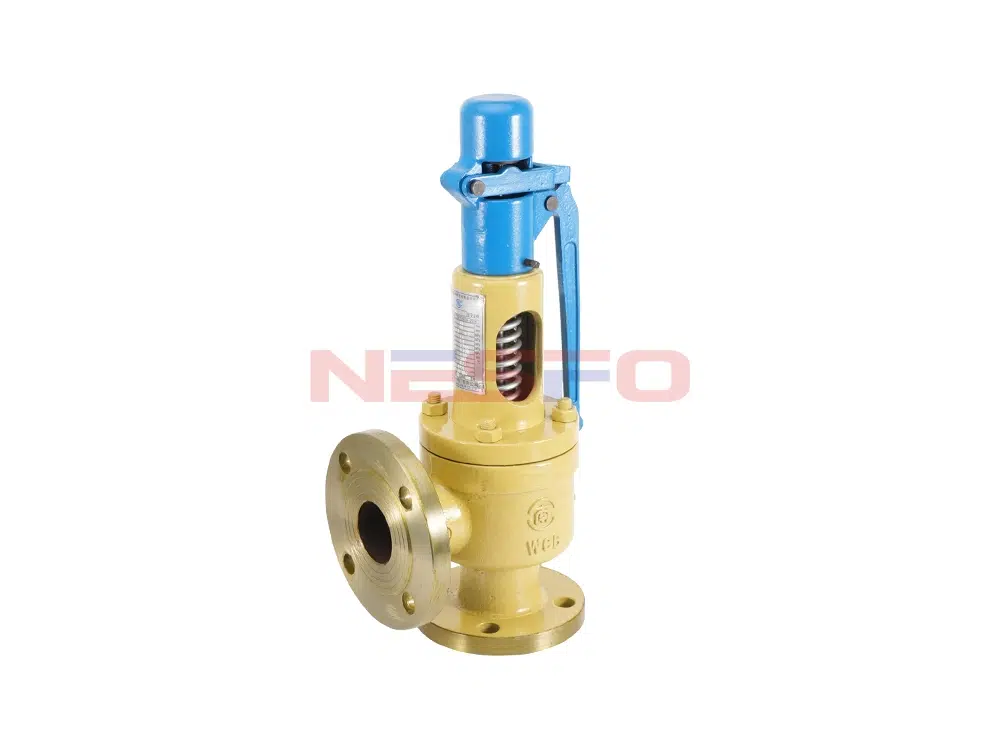
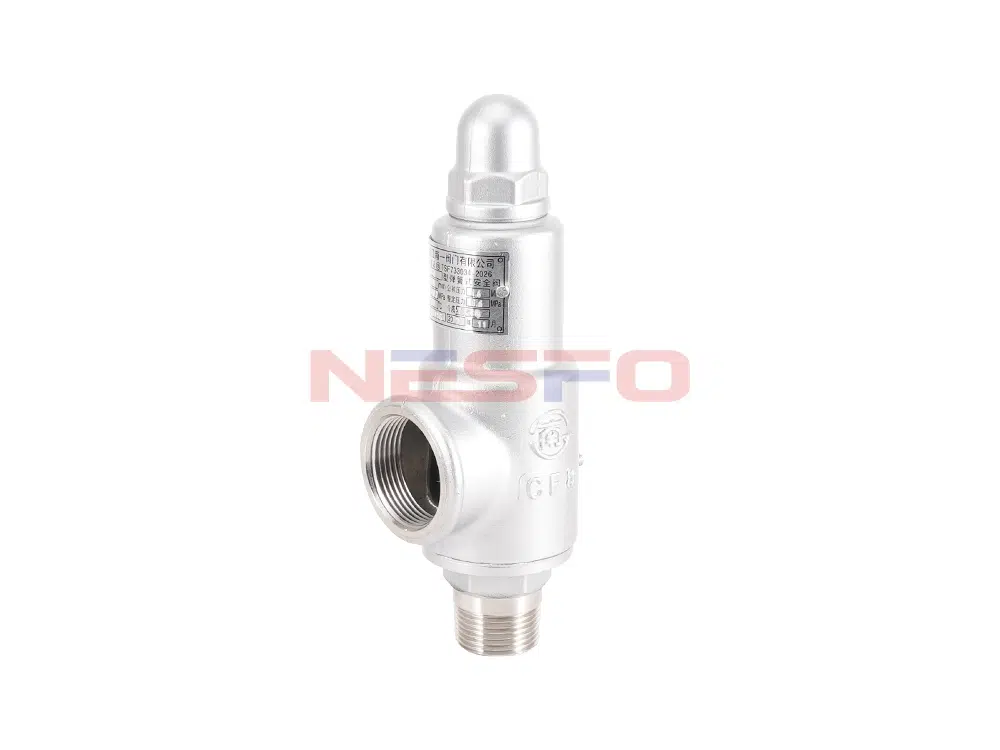
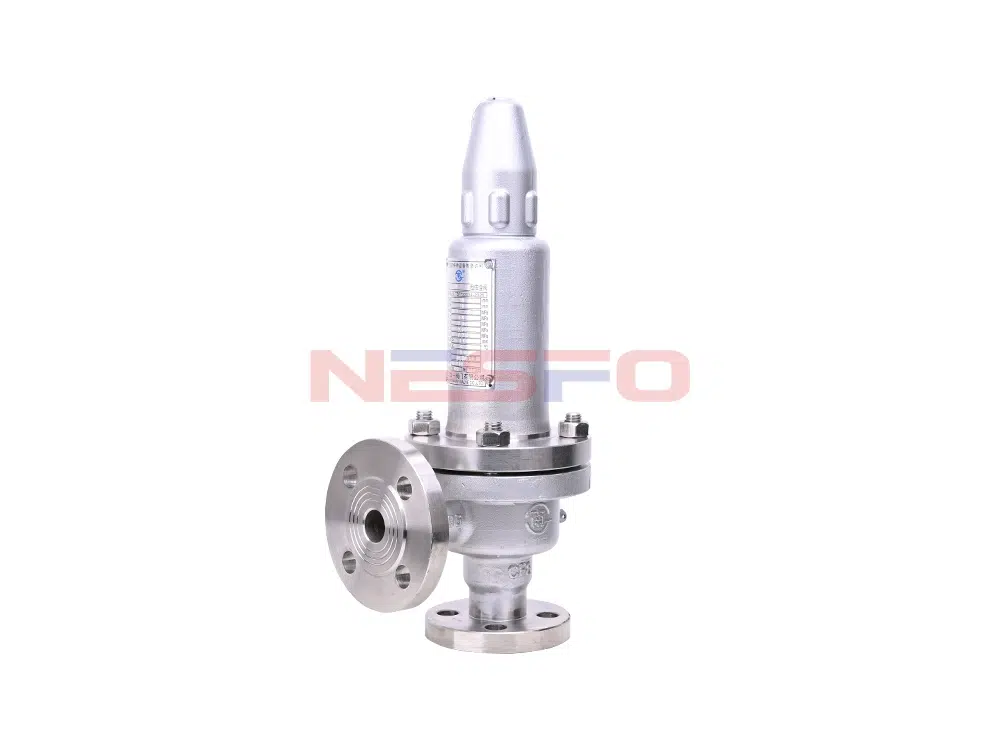
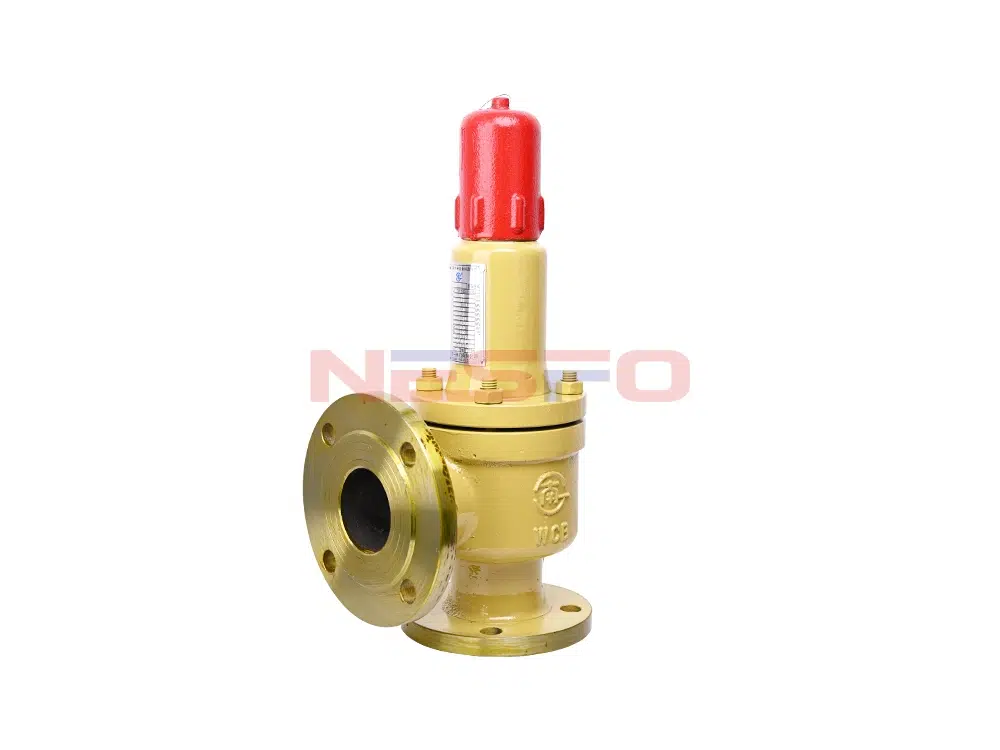
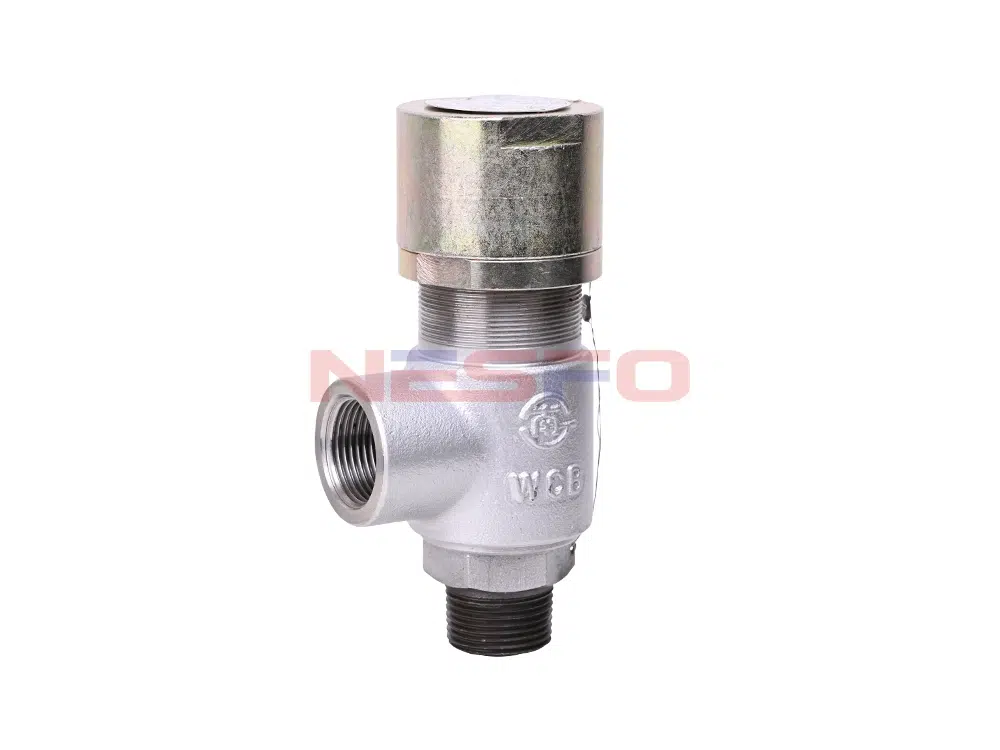
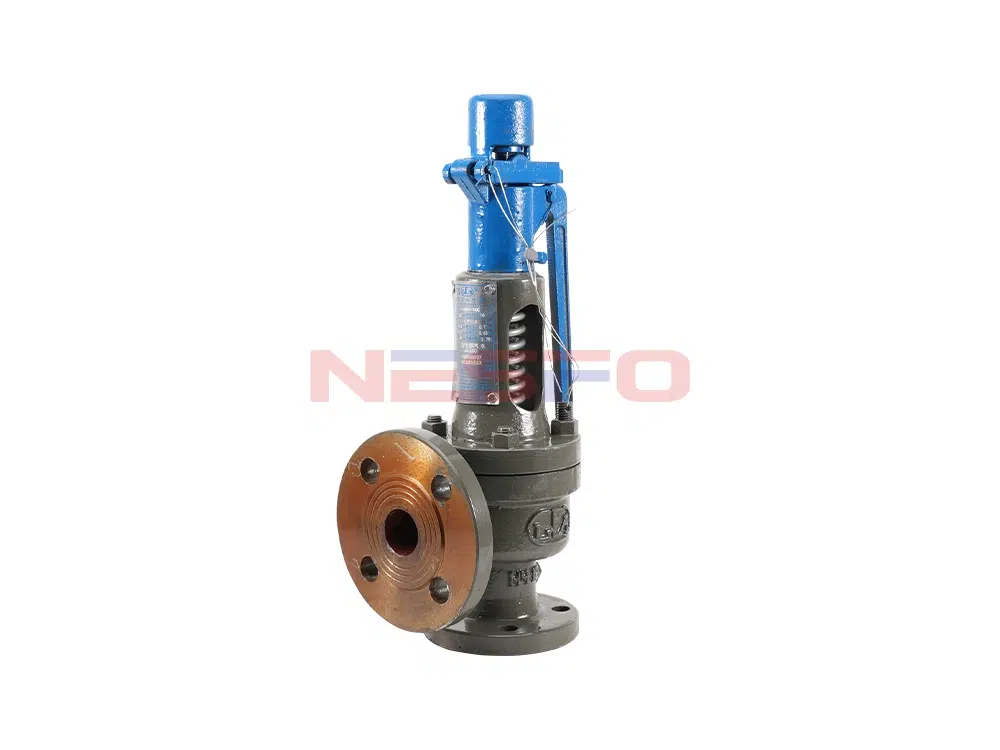
Fully open safety valves:
Safety valves with a flap opening height equal to or greater than 1/4 seat throat diameter are full-opening safety valves.
Micro-start safety valves:
Safety valves with a flap opening height of 1/40 to 1/20 seat throat diameter are micro-opening safety valves.
Safety valves are automatic valves that do not use any external force, but use the force of the medium itself to discharge a rated amount of fluid to prevent the pressure in the system from exceeding a predetermined safety value. When the pressure returns to normal, the valve closes again and prevents the medium from continuing to flow.
The load factor of a steam trap is the percentage of the actual thermal condensate discharge during the test time to the maximum thermal condensate discharge at the test pressure.
The operating temperature of a steam trap is the temperature at the inlet end of the steam trap under operating conditions.
The back pressure of a steam trap is the pressure at the outlet end of the steam trap under operating conditions.
The higher the back pressure allowance of the steam trap, the better.
The higher the backpressure allowance, the higher the allowable pressure at the outlet end of the trap in actual operation. In other words, the higher the back pressure allowance, the more suitable the trap is for high back pressure operation.
The absolute value of the difference between the condensate temperature and the saturation temperature at the corresponding pressure is the degree of subcooling.
Open-valve subcooling refers to the absolute value of the difference between the open-valve temperature and the saturation temperature at the corresponding pressure.
Shut-off valve subcooling refers to the absolute value of the difference between the shut-off valve temperature and the saturation temperature at the corresponding pressure.
Open valve subcooling is greater than closed valve subcooling.
The pressure measured against atmospheric pressure (as 0) is called gauge pressure.
The pressure measured against the absolute vacuum pressure (specified as 0) is the absolute pressure.
Absolute pressure is the sum of gauge pressure and atmospheric pressure.
Gauge pressure is the difference between absolute pressure and atmospheric pressure.
Significantly hot:
An increase or decrease in the amount of heat, which causes no change in the state of matter, but merely produces a change in temperature, is called sensible heat.
Latent heat:
During a phase change, the temperature remains constant while the state of the substance changes, at which time the heat absorbed or released by the substance is called latent heat.
For both of these reasons, steam traps are selected by multiplying the discharge capacity of the steam trap by a safety factor.
There are many factors to consider when selecting the correct trap, but the main ones are listed below:
During the phase transition of water, the system in which the two phases of water and water vapor coexist in equilibrium is called saturated. This saturation state exists a critical point, the temperature of this critical point becomes the critical temperature, the value of 374.15 ℃.
The pressure at the critical point is the critical pressure and has a value of 22.12 MPa.
Steam trap leakage rates are divided into loaded and unloaded leakage rates.
There is a load leakage vapor rate:
The loaded vapor leakage rate is the percentage of the loaded vapor leakage to the actual thermal condensate discharge during the test time.
No-load vapor leakage rate:
The no-load leakage rate is the percentage of no-load leakage to the maximum hot condensate discharge at the corresponding pressure.
The main function of steam traps is to remove condensate from steam heating equipment or steam piping networks in a timely manner, and at the same time to prevent steam leakage, thereby improving the efficiency of steam-using equipment and achieving energy savings. As a result, the main indicators of steam trap performance should be the drainage performance and vapor barrier performance. According to the definition of vapor leakage rate, the size of a steam trap's leakage rate can be a comprehensive response to its drainage and vapor barrier performance.
A valve that automatically removes condensate from steam lines and steam-using equipment and stops steam leakage is a steam trap.
Steam trap performance is measured by nine indicators: shell strength, operating performance, minimum operating pressure, maximum operating pressure, maximum back pressure, vapor leakage rate, air venting capacity, discharge temperature, and discharge volume.
Because of the large contact area between the plug valve body and the plug, a large torque distance is generated when the plug is rotated. Corrosion of the surface will quickly cause the closure to lose its seal and increase the torque required to operate the plug valve.
Steel and cast iron plug valves for corrosive media shall have phenolic and other plastic protective coatings.
The national standard GB/T 12237 "petroleum, petrochemical and related industrial steel ball valves" in the provisions of the ball valve stem should be designed to the pressure of the medium, the removal of the stem sealing packing (such as the removal of the packing gland), the valve stem will not be washed out of the valve body structure.
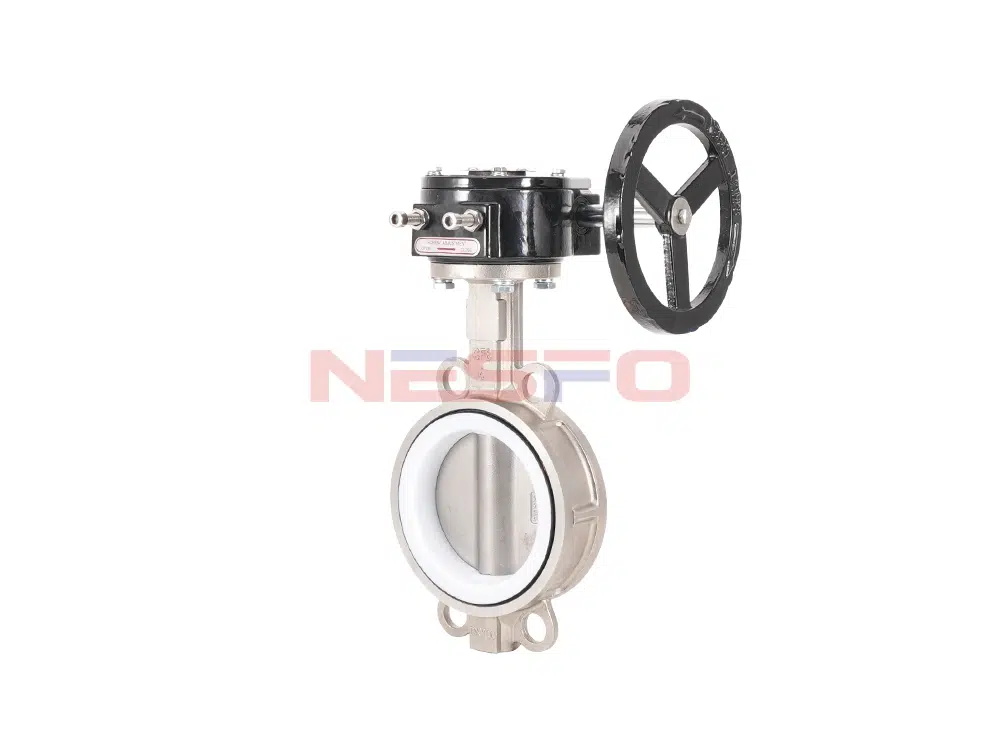
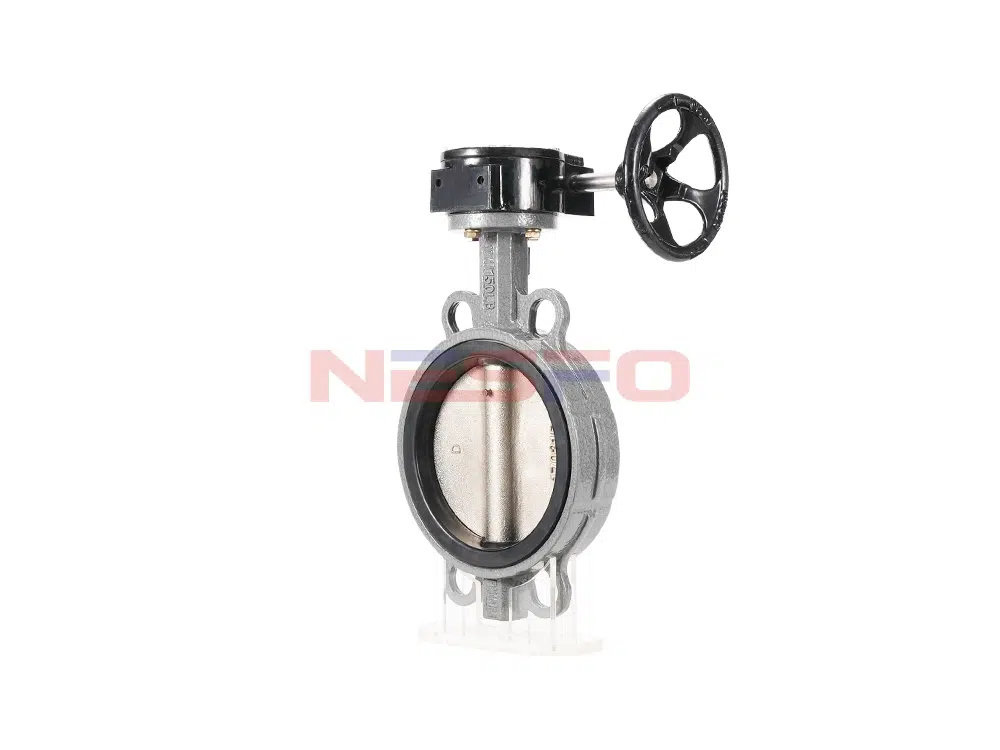
One-way sealed butterfly valve:
Unidirectional seal butterfly valve is a butterfly valve disc plate front in the closing, should face the direction of flow of the media; media flow in one direction only, in the valve body to indicate the direction of flow of the media arrow. Installation should pay attention to the direction of media flow.
Bidirectional sealed butterfly valve:
Bidirectional sealed butterfly valve is a disc plate can face or back to the flow direction of the media, installation without attention to the direction of media flow, there is no arrow on the valve body to indicate the direction of media flow. Bidirectional sealing butterfly valve stem force is greater than the stem of the unidirectional sealing butterfly valve. Design, the same diameter, pressure of the butterfly valve, two-way sealed butterfly valve stem diameter than one-way sealed butterfly valve stem diameter.
The horizontal projection of the pin axis of the rotary check valve is perpendicular to the axis of the valve body over-water hole and inclined at an angle to the sealing surface.
In general, the flow direction of globe valves is from the lower part of the valve flap to the upper part of the valve flap, or from the lower part of the valve flap if the valve flap is double. In the case of globe valves with double flaps, the medium flows in from the top of the flap and out from the bottom of the flap. globe valves with a DN of more than 250 mm allow the medium to flow in from the top of the flap.
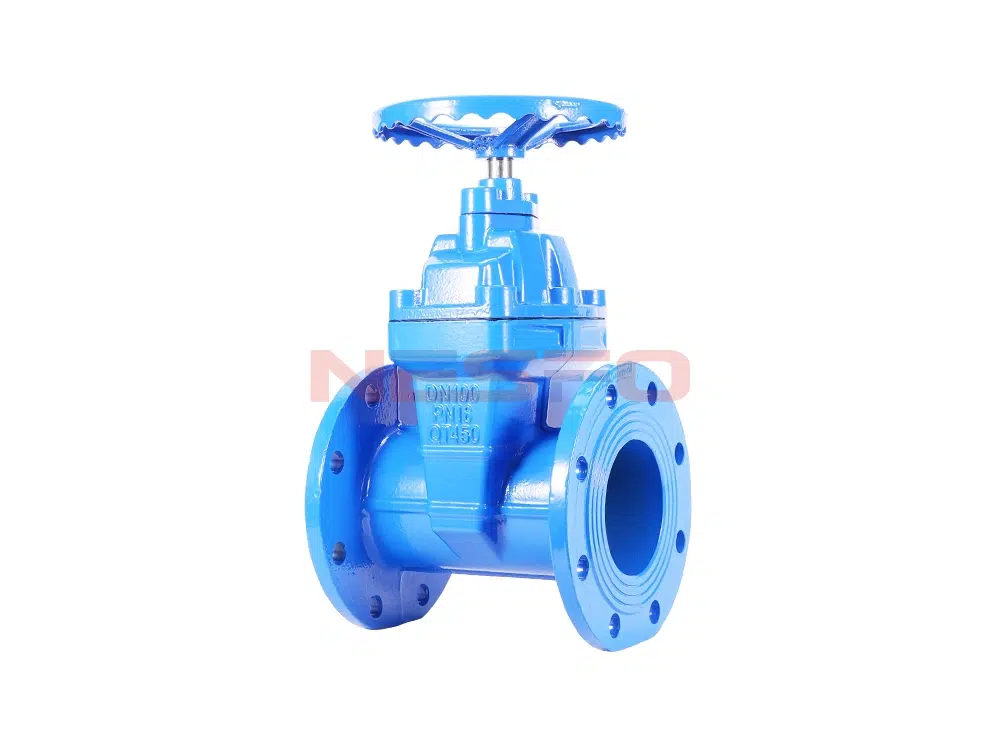
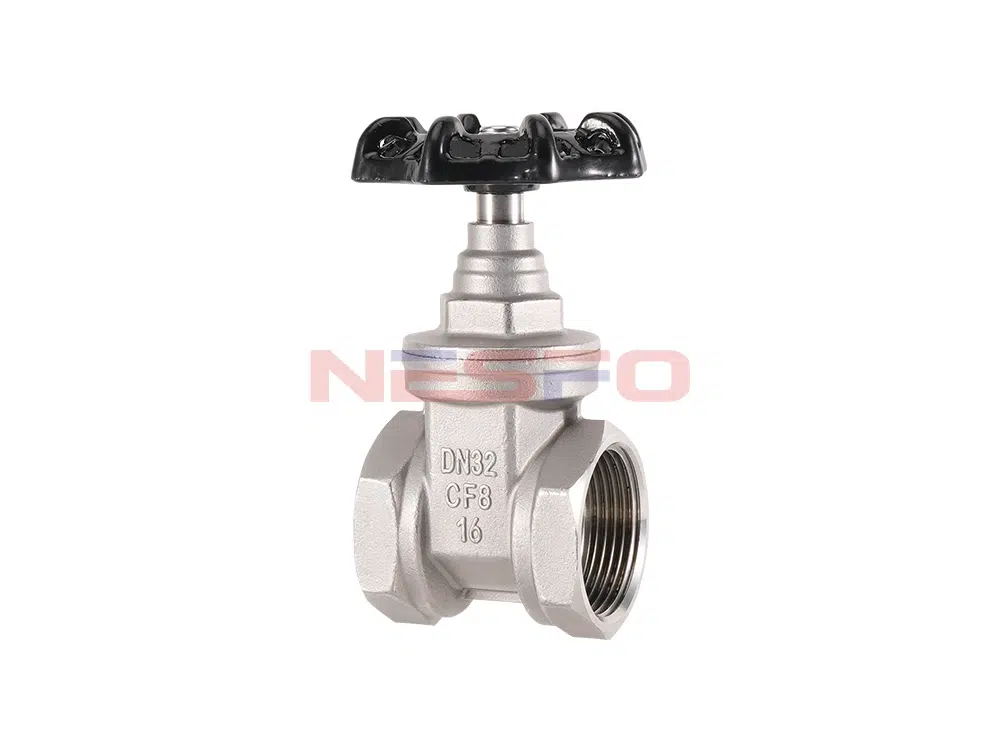
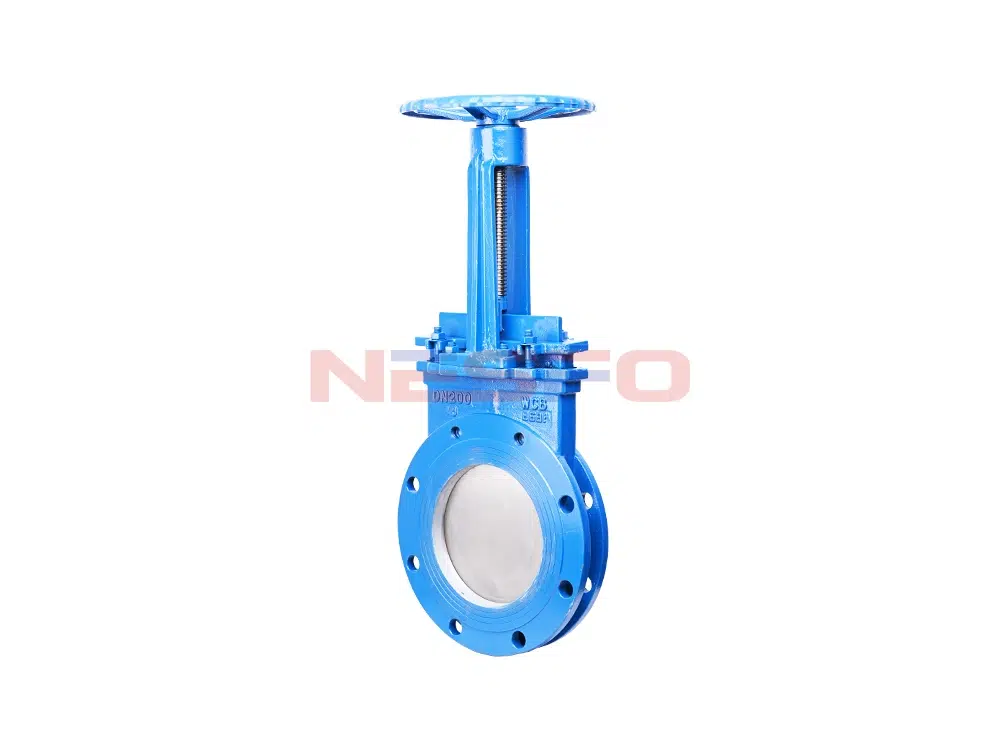
Steel gate valve to do the performance test, should be careful not to apply at both ends of the valve on the sealing surface leakage of external forces have an impact.
The national standard GB/T 12234 "steel gate valve with bolted bonnet for oil and gas industry" stipulates that the stem nut should be loaded from the upper part of the bracket, and the upper part of the stem nut of the gate valve should be a prismatic body, a cylinder with a keyway, or a structure of equal strength connected with the handwheel. When the valve is opened, the handwheel can be removed without causing the stem and gate to fall to the closed position. If a bearing gland with threads is applied, it shall be secured by spot welding or other means.

Specialized in the development and production of fluid control valves
Nesfo Valve mainly develops and manufactures:ball valves, butterfly valves, gate valves, globe valves, check valves, filters, water control valves, safety valves, pressure reducing valves, respiratory valves, regulating valves, pneumatic valves, electric valves and so on.


Copyright © 2026, Naisifu Valve Manufacturing (Quanzhou) Co., Ltd. All rights reserved. 闽ICP备2024029565号-1  闽公网安备35058302350968号