









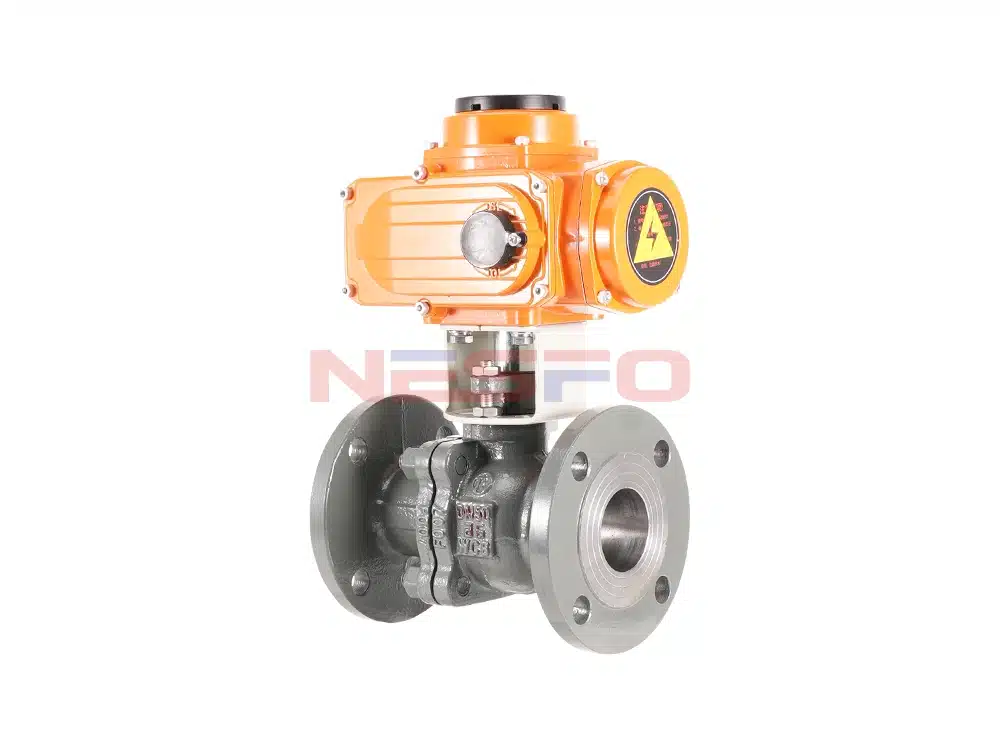
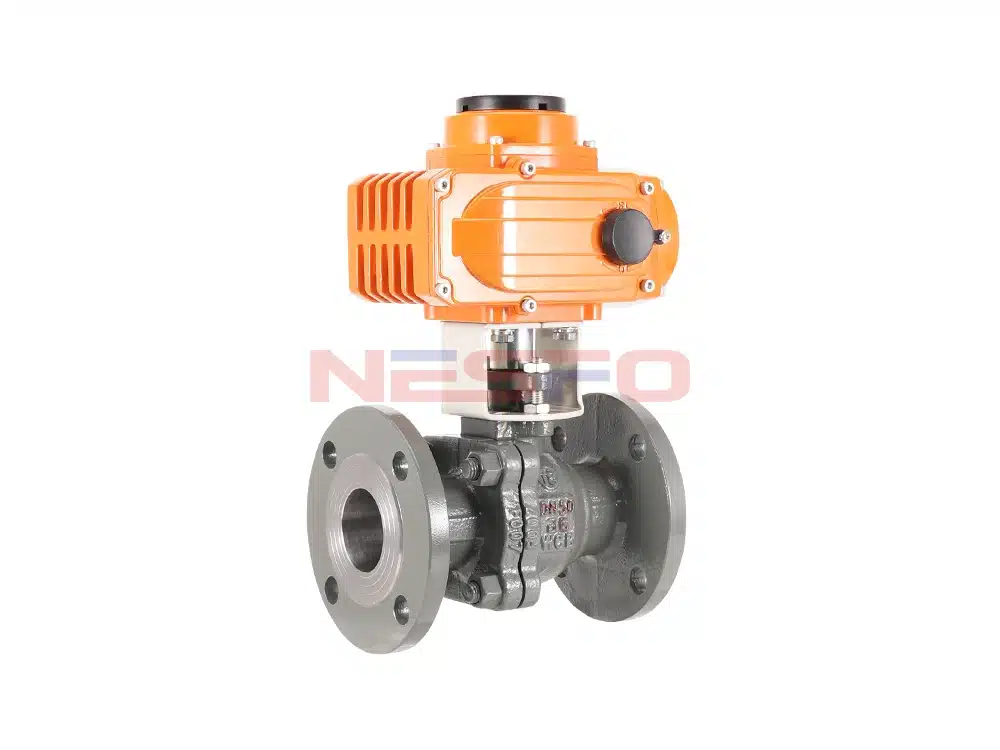
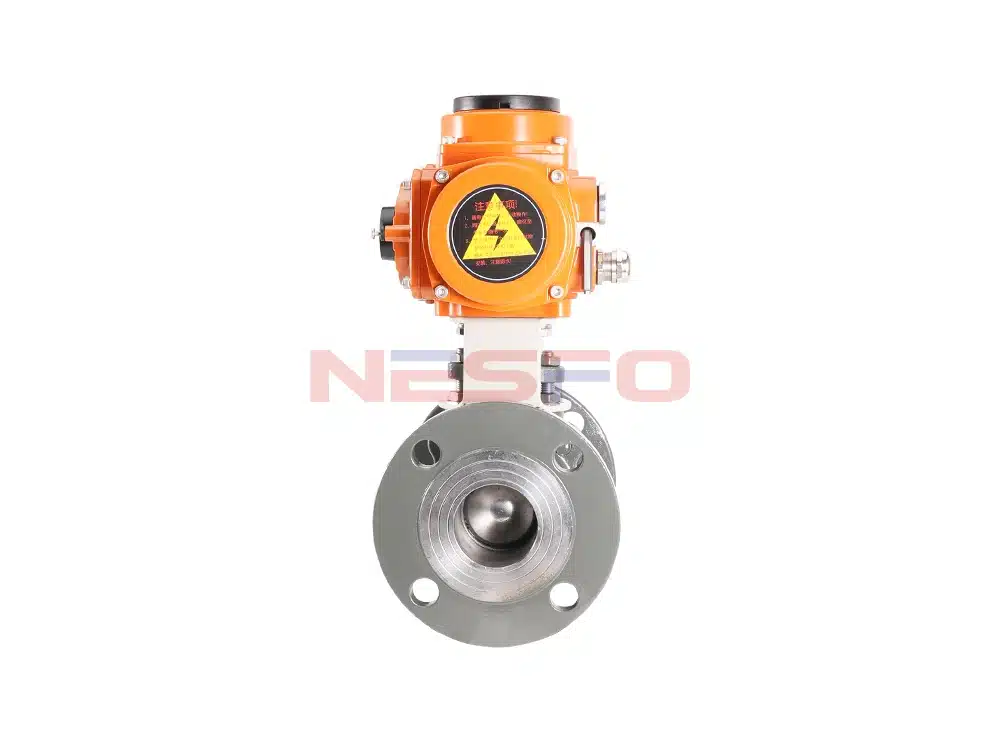
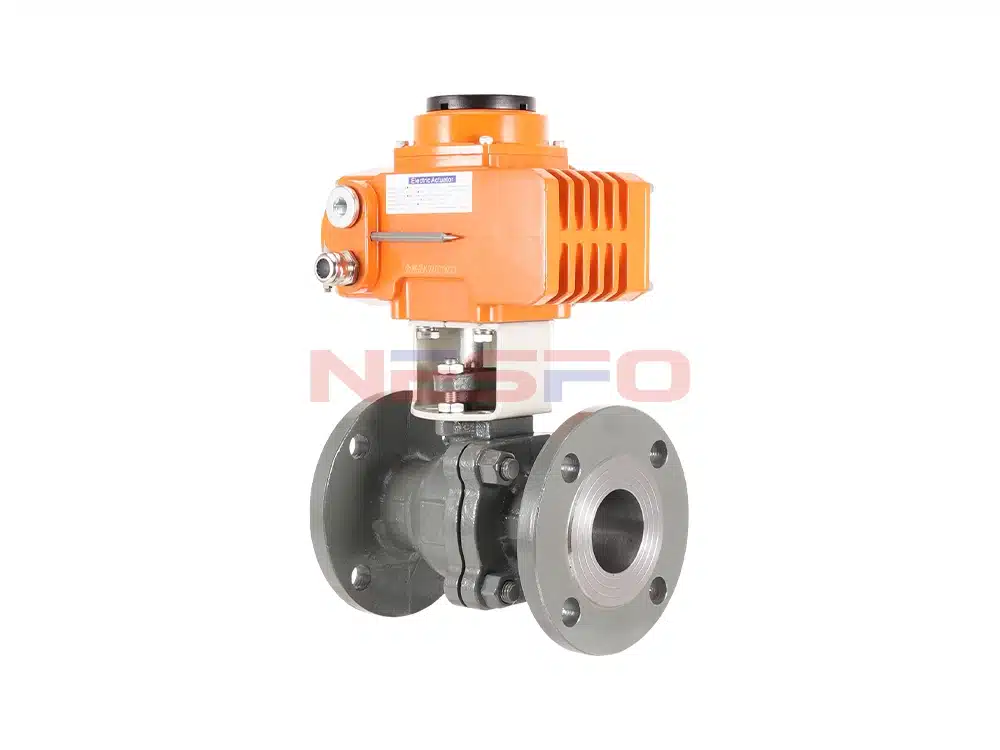
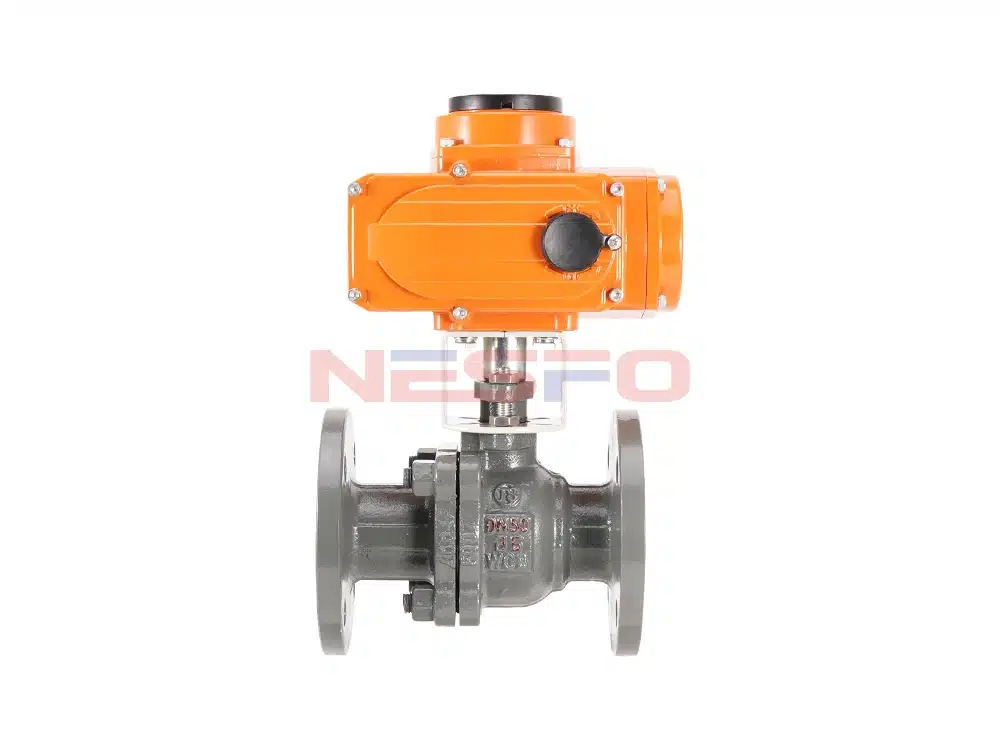



Fluid resistance is small, ball valves are one of the smaller fluid resistance of all valve types. Even the reduced diameter ball valve, its fluid resistance is quite small. Thrust bearings reduce the friction torque on the valve stem, ensuring long-term balanced and flexible operation. The valve seat exhibits excellent sealing performance. Sealing rings made from materials such as PPL para-polyphenylene are capable of withstanding temperatures up to 200°C and feature a structure that facilitates sealing. The valve stem seal is reliable. Since the valve stem only rotates without vertical movement, the packing seal is less prone to damage and its sealing capability increases with rising medium pressure. Due to the excellent self-lubricating properties of PPL and other materials like para-polyphenylene, friction losses with the ball are minimal, resulting in a longer service life for the ball valve. The bottom-mounted valve stem and the raised shoulder on the stem head prevent stem ejection. Should fire damage compromise the stem seal, the raised shoulder can form a metal-to-metal contact with the valve body, ensuring stem sealing integrity.
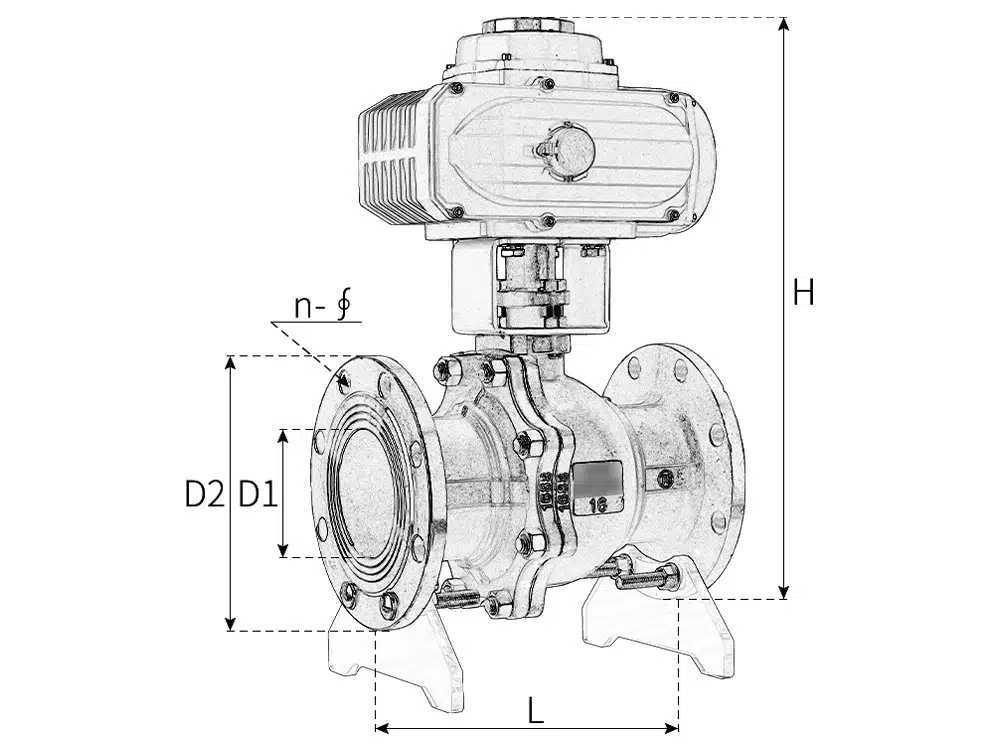
130 | 225 | 65 | 95 | 4-14 | |
140 | 236 | 75 | 105 | 4-14 | |
150 | 268 | 85 | 115 | 4-18 | |
165 | 298 | 100 | 135 | 4-18 | |
180 | 353 | 110 | 145 | 4-18 | |
200 | 403 | 125 | 160 | 4-18 | |
220 | 455 | 145 | 180 | 4-18 | |
250 | 485 | 160 | 195 | 8-18 | |
280 | 530 | 155 | 215 | 8-18 | |
320 | 570 | 180 | 245 | 8-18 | |
360 | 644 | 210 | 280 | 8-23 | |
400 | 730 | 265 | 335 | 12-23 |